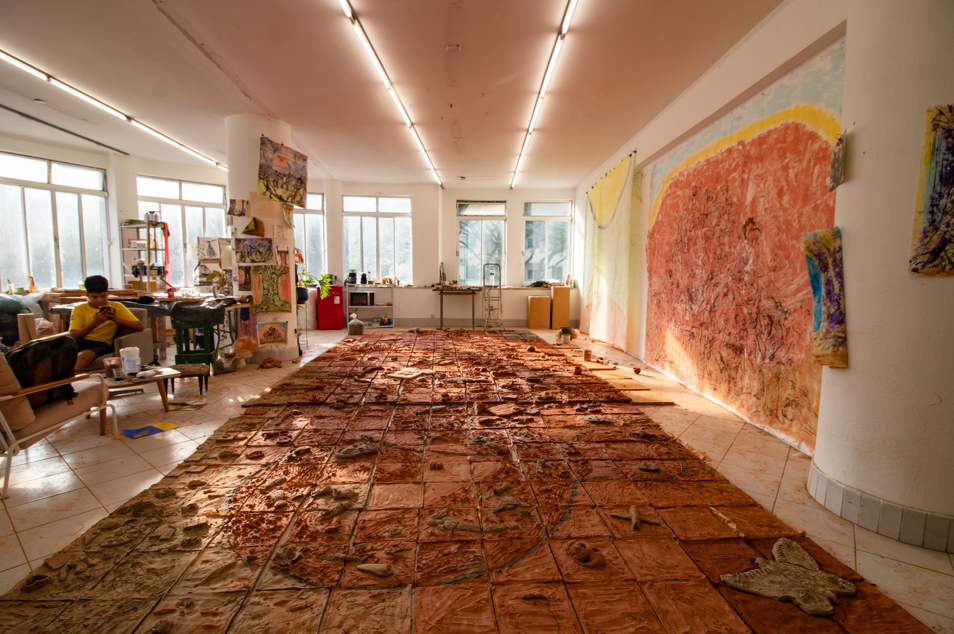
Casa de Cultura do Parque presents, from November 14, 2026, to March 7, 2027, the exhibition “Dois de paus” (Two of Wands), by David Almeida and Mauricio Parra, as part of its III Exhibition Cycle of the year. Held in the Gabinete gallery, the exhibition is curated by Claudio Cretti, the institution’s artistic director, and features a critical text by curator and researcher Tálisson Melo.
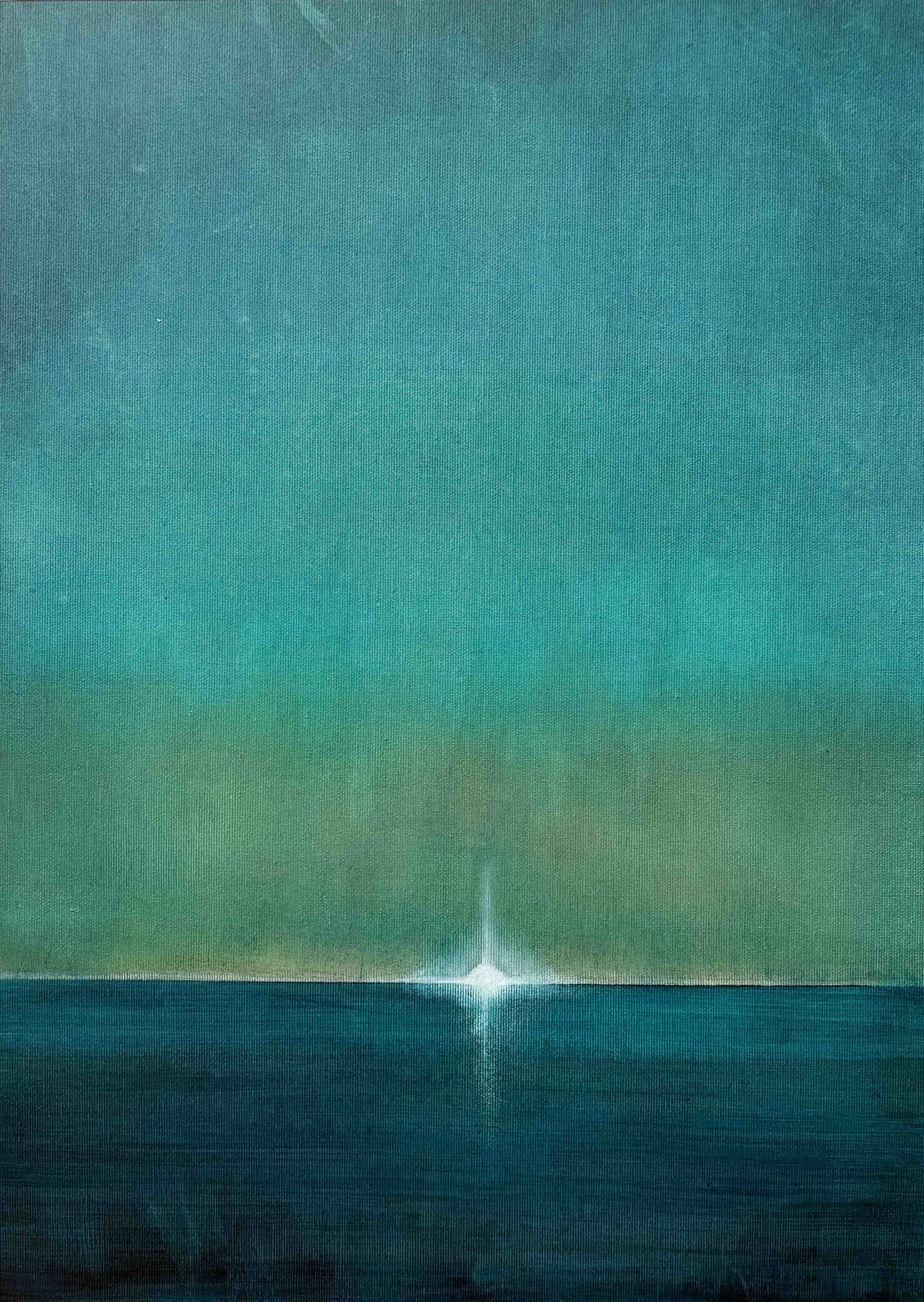
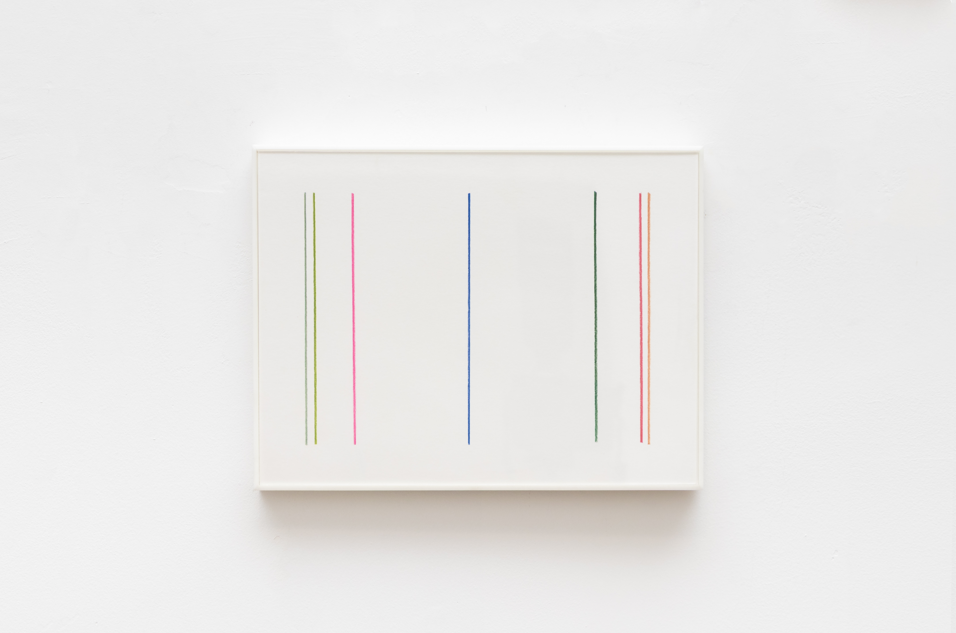
Drawing on observations of regional landscapes, David Almeida (Brasília, 1989) and Mauricio Parra (São Paulo, 1976) experiment with techniques and materials to develop their own visual vocabularies, challenging traditional notions of landscape painting. Across different supports, landscapes, trees, plants, the sky, and the sun move between the representation of recognizable elements and their exploration as surfaces and visual arrangements.
Almeida engages with the concepts of memory, the body, phantasmagoria, and optical perception, creating canvases in which the intimate aspects of a culture or a people emerge subtly through the landscape. Parra, in turn, divides his life and artistic practice between São Paulo and Pindamonhangaba, drawing inspiration from the surroundings of the house where he grew up. In his work, direct observation becomes a record of the passage of time and the transformations of the landscape.
“The continuous practice of repetition and difference, in living contact with one another, frames the evocations of a natural world, bringing together distinct temporalities intertwined with visual and material orders, as well as a series of impulses that emerge from the body-to-body encounter with the image as it becomes a thing through matter,” notes curator Tálisson Melo in his critical text on the works brought together in the gallery.
Melo also points out that, as in a game, these categories are shuffled and their meanings recombined according to their positions and the relationships of proximity and distance they establish within the space. “The foliage in the backyard slips into the vegetal motifs of the ornaments of an 18th-century oratory; the thick lines that define the volutes of late Baroque also emerge and intertwine in palm trees reminiscent of a postcard; areas left untouched by brushstrokes allow the wood’s preparation to seep into the image, imposing a certain state of ruin,” he adds.