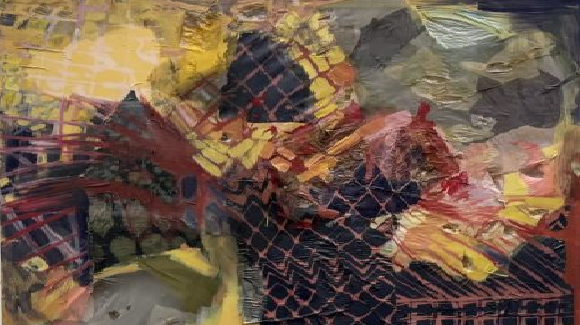
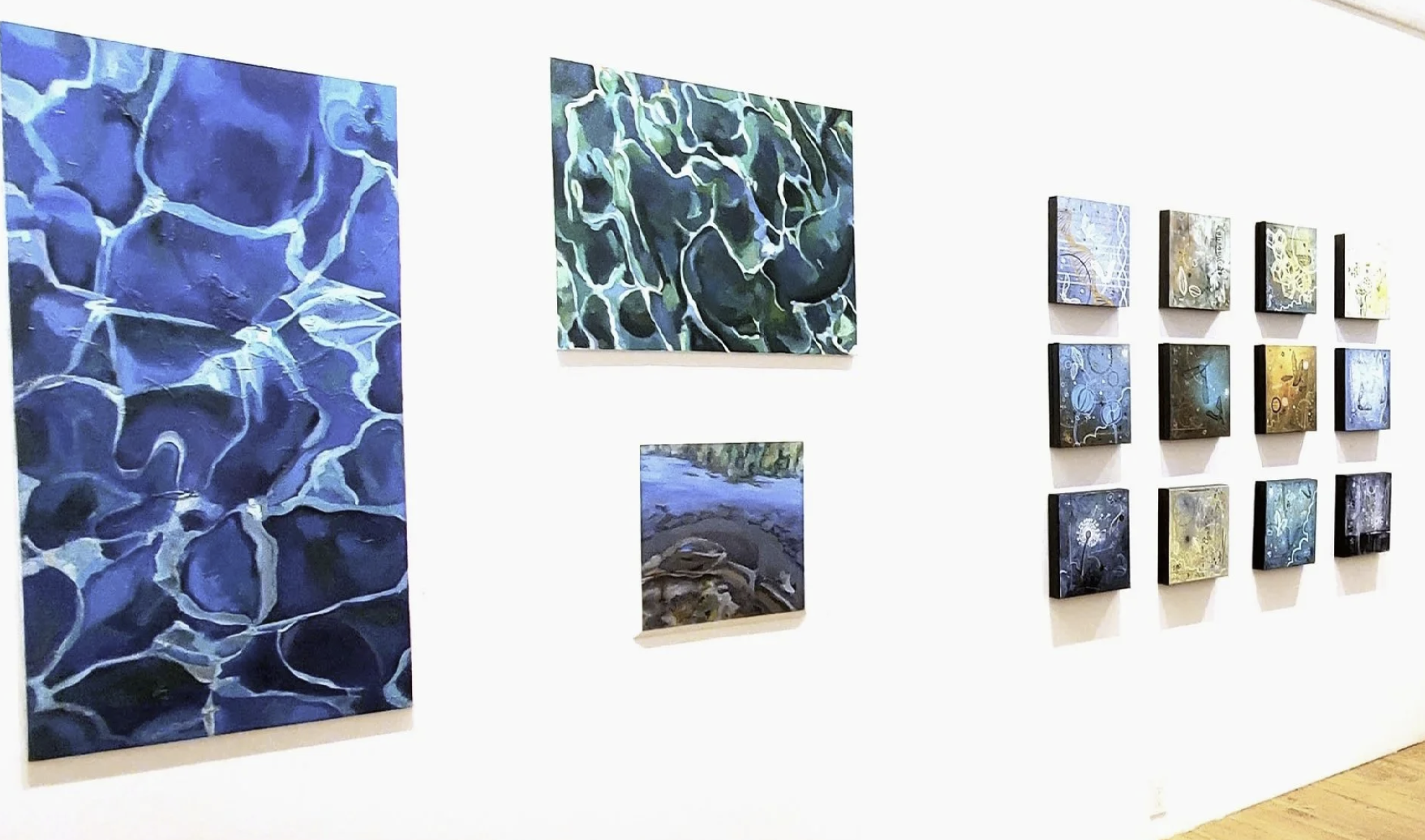
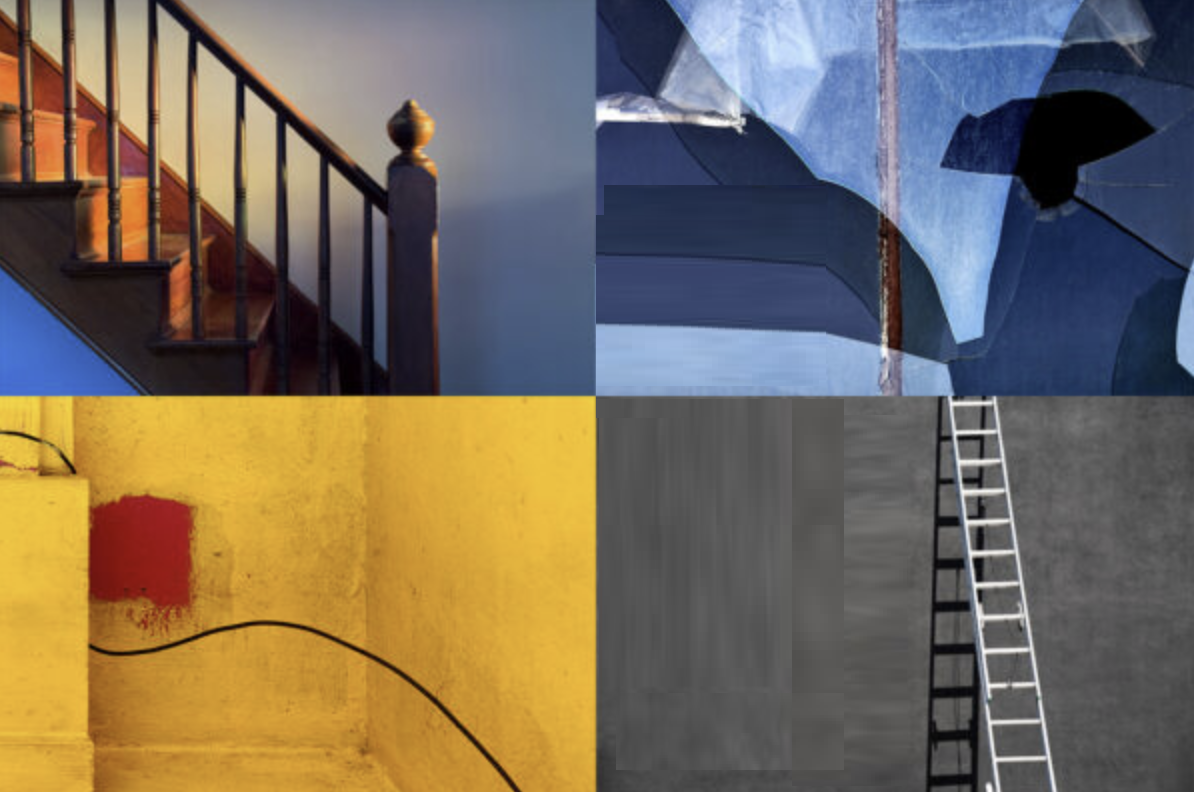
New Orleans, Louisiana, FERRARA SHOWMAN GALLERY is pleased to announce Parameters, the fourth gallery solo exhibition of New Orleans-based artist, educator, and grammy award-winning musician, Tony Dagradi. Perhaps best known for his musical talents on the saxophone and founding member of the modern jazz quartet Astral Project, since 2015 Dagradi has applied his methodologies of jazz composition to visual art. The exhibition unveils more than twenty new, hand cut book sculptures employing the artist’s characteristic technique of transposing the image contents of antique and vintage books. The new work offers a wide array of imagery ranging from encyclopedias and textbooks to graphic novels and children’s fairytales. Dagradi mines illustrations, and occasionally text, from these publications and collages the most prominent, relevant, compelling, and anecdotal. Positing a sort of graphic palimpsest, the final result creates a narrative which acts as a visual summarization of the respective book’s contents.
Parameters will be on view 28 October through 5 December with an opening reception on 7 November and a closing reception on 5 December, both from 5-8 PM, as part of the Arts District New Orleans’ First Saturday Gallery Openings.
Dagradi expounds on the catalayst of the exhibition . . .
In my education and development as a performer and composer, I was encouraged to study the work and stylings of important musical giants past and present. For any jazz artist who is attempting to create meaningful musical statements in real time, every aspect of composition is something important to explore and assimilate. Over time, I have come to understand that every great piece of music, regardless of genre, has elements of organization that give it structure and brilliance. Those elements can usually be characterized by a defined group of parameters which outline the types of melodic, harmonic, and rhythmic ideas that may be utilized within a given piece. Organizing factors can also include form and texture.
In “Le Sacre du Printemps”, Stravinsky focused on dense polytonal harmonies with intricate, complex rhythms to create an expressionistic masterpiece of primal intensity. Bela Bartok utilized eastern European folk melodies while he crafted complex compositions with mathematical precision following the Fibonacci sequence and the golden ratio. Highlighting the unique tonal personalities of his musicians, Duke Ellington devised his own extraordinary orchestration techniques to shape some of the most important popular music of the early twentieth century.